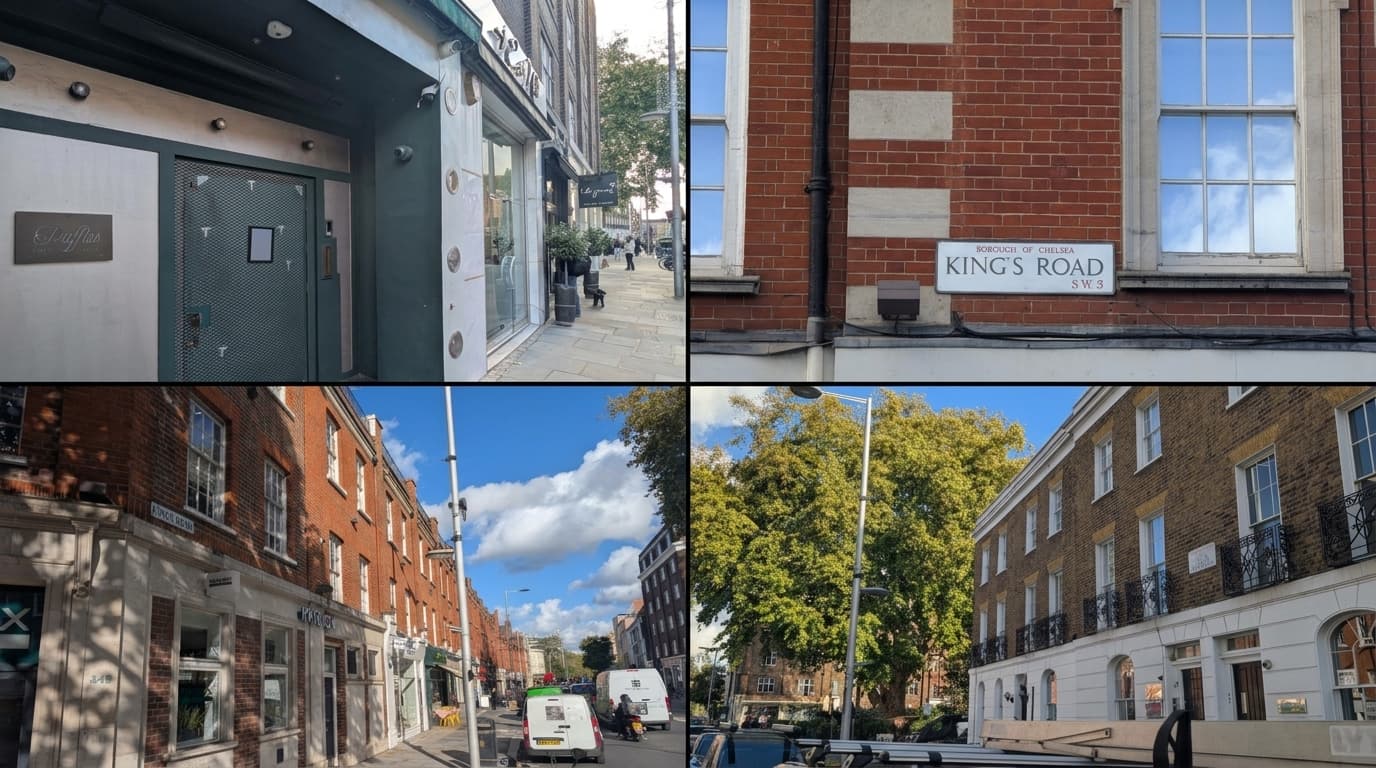
When a client approaches and asks if you can help turn around a project in Kings Road, Chelsea which has been rejected by a unanimous vote at a planning committee, is opposed by a very unimpressed and influential resident’s association and top KCs have been appointed to further the anti-cause it perhaps unsurprisingly makes even the most strident Terrapin gulp! However, we saw it as a challenge. Not only did we take it on, we turned the situation 360 degrees.
Our Strategy
Our fundamental approach hinges on talking to all sides, working out the major points of division and building trust. It can be a rugged path with potholes to manoeuvre along the way and skill in keeping both sides talking to each other as they slowly reach an agreement. The client needs to understand they have a serious problem. They may pay us, but part of our job is to tell them so! Councillors have to be given the opportunity to express their misgivings about the scheme, the approach that has been taken and suggest mprovements. With the precedent of a nightclub on the site for 60 years the residents have to accept the chances are that someone, somewhere is likely to achieve a consent in the end. They have to decide whether they would do better with a potential new owner or follow Hilaire Belloch’s advice and “keep a-hold of Nurse For fear of finding something worse” ie work with the existing occupant to find a solution.
In this case three main areas had to be overcome: a redesign was required to remedy some safety issues, agreement reached that the nightclub would be an extension in the basement of the property with the ground and first floor being used as a restaurant and, perhaps most importantly, the careful working through of an operational management plan which safeguarded the interests of the Club’s residential neighbours while allowing it to trade and be successful.
Approaching the Committee
Often as the planning committee date appears on horizons there can be wobbles in this sort of negotiation. It’s important to have built trust with all parties, keep dialogue open and alleviate any last minute concerns. This involves keeping in touch with the client, councillors and stakeholders. Listening to and understanding their concerns. Working out how to alleviate them if possible, or work around them if not. By the time the committee date arrives the decision should be a formality. The outcome should have been agreed before.
The Committee itself
It probably felt like the longest committee session in his life to the client! However, the outcome brought high praise for our approach. The Chair of the Resident’s Association outlined his principle concerns from the previous application and how they had been addressed. Demonstrating the success of the dialogue leading up to the committee he said “We want to continue the very productive engagement the owners have had with us over the past few months”. But the icing on the cake came when the councillor chairing the committee said he had been present at the vote when the scheme had been unanimously rejected. His next comments were high praise indeed ”I want to congratulate all parties for the very productive way in which the issues have been addressed and I think to me it looks like a model of how engagement can overcome fears and concerns”. The committee granted a consent with a unanimous vote in favour. A 100% turnaround thanks to the right engagement and the correct approach.
← Back to Council Watch