
The Importance of Officers Post 2026 Elections in London
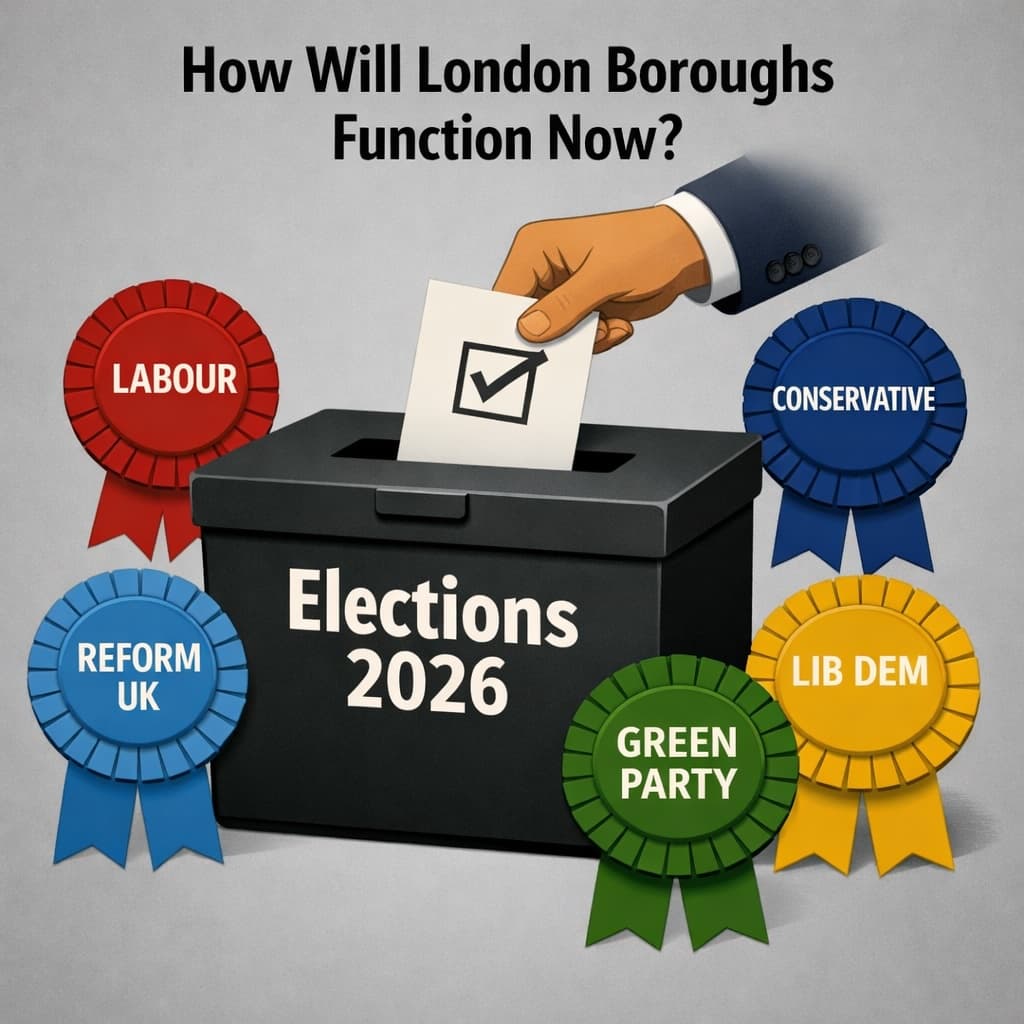
The 2026 London Borough elections have reshaped local government across the capital, making the role of senior officers more important than ever as new administrations settle in.
The 2026 London Borough elections have seen a complete overhaul of the political make-up of several local authorities in London. Some have just changed political hands. Others have been left in political limbo land and are being run by coalitions. All have seen a huge number of newly elected councillors.
While the transitions take place and the newbies get their feet under their new desks, it falls upon officers to keep the show running. In the next few months, their role will be some of the most important in local government in the UK.
Where Does This Leave the Councillor/Officer Relationship?
The traditional role of an officer is to advise and guide councillors and implement the policy councillors vote to adopt. In “Yes Minister” speak, the chief executive of a London Borough is the Sir Humphrey to the Leader of the Council’s Jim Hacker.
If the politicians are in political paralysis, it falls to the officers to keep the council’s show on the road, ensuring that services continue to be provided to those on the receiving end. Aware of the potential quagmire that could lie ahead, the more astute senior officers will have ensured delegated powers have been set up to enable this to happen, whatever the result at the ballot box.
The reality is that if there is political indecision or inexperience, it is the Sir Humphreys of local government who gain power.
In Which London Boroughs is Officer Influence Likely to Have Most Impact?
The increase of power of local government officers is likely to be felt most when ruling councillors are inexperienced and need guidance, or where there is no overall majority. It is often the officer’s role to try to gently steer disagreeing parties towards agreement so decisions can be reached.
The more inexperienced ruling councillors are, or the more difficult a minority administration finds it to win a vote, the more powerful a senior officer becomes. And the more experienced and effective the senior officer, the more likely this is to happen.
Where Will the Impact of This Be Felt Most?
Planning is an area where an increase in officer power is going to be seen. Even before the 2026 London elections, the balance of power between senior planning officers and councillor chairs of planning was set to shift, with more planning applications being decided by planning officers rather than committees.
Under new government regulations due to come into force on 31st October 2026, the government is changing the current system with an aim to make it quicker to secure a planning consent. The new rules make it harder for applications to be referred to committee. In reality, this will mean there will be more delegation to officers, with an end to councillor call-ins and local objections triggering committee decisions.
Will Planning Committees Still Have a Role?
Larger, more complex applications on sites already allocated for development in an adopted local plan are less likely to be referred to committee. If an application generally follows planning policy and the site has already been allocated for development, officers are expected to determine it, unless there are any new and significant planning issues.
However, planning committees will continue to play a significant role, but within a more limited scope. Controversial speculative applications on unallocated sites are still likely to come before a committee. Referral to committee will be subject to decision between a senior planner, usually Head of Planning, and a senior councillor, usually Chair of Planning. If they do not agree, then the application will stay with officers for a decision on consent or rejection.
Will This Change How Developers Bring Forward Schemes?
As in any new system, in order to secure a planning consent it is crucial for all those who are involved to learn and understand the changes. It will be important to have officers on board at an early stage and to be seen to have engaged early with local councillors and to have taken onboard local opinions.
The objective should be that there is a sustainable audit trail and no one is surprised by the time a more formal planning application is submitted. At Terrapin, we are already preparing our clients for the changes. Are you ready? Why not ask us to do an audit and find out?
Key Takeaways
- The 2026 London Borough elections have created major political change across several local authorities
- Senior officers will play a crucial role while new administrations and councillors settle into their roles
- Officer influence is likely to be strongest where councillors are inexperienced or where councils have no overall majority
- Planning is expected to see a greater shift towards officer-led decision-making
- Developers will need to engage early with both officers and councillors to adapt to the new system
Explore More Insights
Discover more articles on planning policy, community engagement, and the political landscape shaping development.