
Andy Burnham Becomes Prime Minister: What Will the New Government Mean for Housebuilding?
Andy Burnham has entered No 10 promising a housing-first government, greater devolution and renewed momentum behind Labour’s commitment to build 1.5 million homes.
Politics can be brutal. Shortly after 11am on Monday 20th July, Keir Starmer, the outgoing Prime Minister, made his farewell speech outside 10 Downing Street before departing to see the King, confirm his resignation and recommend that his successor, Andy Burnham, be invited to form the next Government.
By 1pm, Andy Burnham had been asked by the King to form a new Government, had made his first speech outside No 10 and was already at work as the UK’s new Prime Minister.
The Day of the Long Knives
By late afternoon, 11 Cabinet members loyal to Keir Starmer had either been sacked or resigned. One of the casualties was Housing Secretary Steve Reed, who was widely seen as a Starmer loyalist.
In his resignation letter, he said: “I am proud to be a London MP, and I’ll always fight to ensure London is treated fairly as you explore new models of devolution, taxation and funding.”
It may not appear fair, but in politics you can be here today and gone tomorrow. That is exactly what happened.
The Arrival of Manchesterism
By early evening, in a surprise move, former Defence Secretary John Healey had been appointed Chancellor of the Exchequer. Louise Haigh followed as First Secretary of State, with Shabana Mahmood remaining as Home Secretary and Ed Miliband appointed Foreign Secretary.
Other appointments included Angela Rayner returning to Government as Housing Secretary, Lucy Powell becoming Education Secretary, Yvette Cooper moving to Health and Wes Streeting becoming Defence Secretary.
Andy Burnham will never be as powerful as he is now. A little over a month ago, he was still Mayor of Greater Manchester and not an MP. He is now Prime Minister without having faced a leadership contest or the electorate. He may not yet be fully known across the country, but within the Labour Party he is regarded as a winner who can take on the Greens and Reform.
He owes nobody any favours and has moved quickly to appoint and remove whom he wants. His Government will include people he trusts, but, importantly, ministers who share his agenda and are capable of delivering it.
What It Means in Reality
For Terrapin Group and our clients, the key appointment has been the Housing brief. We welcome Angela Rayner’s return as Housing Secretary and are pleased that Matthew Pennycook has retained his position as Minister for Housing and will now attend Cabinet. We are sorry to see Steve Reed leave Government; during his time as Housing Secretary, he drove the housing agenda forward.
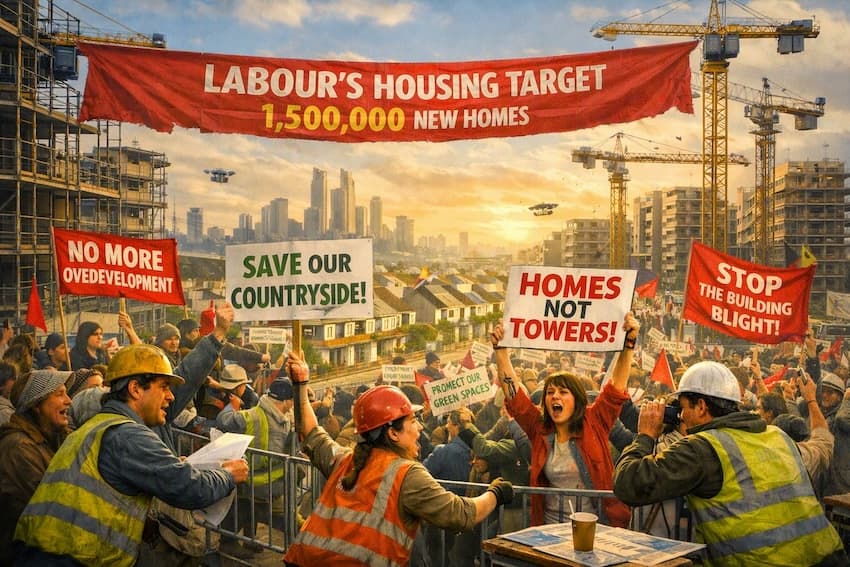
“Housing first” were the words used by Andy Burnham last month. The manifesto commitment to build 1.5 million new homes remains, but the new Prime Minister has made clear that more council homes for rent must also be delivered.
In Manchester, Burnham made building more homes a priority, and we expect him to bring the same focus to Government. He will want Angela Rayner and Matthew Pennycook to drive the agenda forward so that as many homes as possible are built, or at least started, before the next General Election.
More construction would create jobs and support economic growth. Growth remains a central Government priority if it is to meet its fiscal rules while funding major commitments in areas such as defence.
Mayors All-Powerful?
Andy Burnham is committed to devolving power and is unlikely to want Whitehall to interfere unnecessarily where local authorities and mayors have agreed their own housing targets. However, he is equally unlikely to allow local authorities to frustrate housing delivery where national need overrides local opposition.
It will be important to see which powers his ministers use to prevent obstacles from delaying new homes. Burnham has already made clear that he wants higher-density residential development in town centres and community centres.
Next Steps
Over the coming weeks, we are likely to see a steady flow of policy announcements. In the autumn, Andy Burnham is expected to publish his Government’s 10-year plan, providing a more detailed statement of policy and translating his wider vision for the UK into action.
Some have raised concerns that the English northern regions could benefit at the expense of London. Burnham has, however, promised more powers for the capital and has specifically mentioned housing. Economically, he says he wants growth across the UK rather than one area being played off against another: “good growth in every postcode”.
He has maintained a political balance within his Government. While rewarding allies from Labour’s soft left, he has retained several ministers from the centre and right who will oversee the fiscal rules, immigration controls, welfare reform and increased defence spending.
The new Chancellor faces the difficult task of balancing the books and finding a way to fund Labour’s yet-to-be-announced 10-year plan, supported by the new Chief Secretary to the Treasury, Emma Reynolds. Both have experience of Labour’s housing brief, with John Healey having served as Housing Minister under Gordon Brown.
At his first Cabinet meeting, Prime Minister Andy Burnham described his administration as a “cost of living” Government. Housing, whether owned privately or rented, represents one of the largest pressures on household budgets. The Chancellor has instructed departments to review their spending, and it remains likely that private-sector builders will be expected to deliver most of the new homes the Government wants.
The detail is still to come, but the early message is clear: building new homes remains one of the Government’s highest priorities.
Key Takeaways
- Andy Burnham has entered No 10 and moved quickly to reshape the Cabinet around his political and economic agenda
- Angela Rayner has returned as Housing Secretary, while Matthew Pennycook remains Housing Minister and will attend Cabinet
- Labour’s commitment to build 1.5 million homes remains in place, alongside a stronger emphasis on council housing
- Greater devolution is expected, but local authorities may face intervention where they obstruct nationally important housing delivery
- Private-sector housebuilders are likely to remain central to delivering the Government’s housing ambitions
Explore More Insights
Discover more articles on planning policy, community engagement, and the political landscape shaping development.